When I started playing the piano, I had no idea there was something called “piano exams”. I also didn’t know that you could earn certificates that you can use for the future!
From what I learned all these years of playing the piano, the most important thing about playing an instrument is that takes time and practice. Therefore, why not convert that hard work into real things that can help you later in life?
I have taken many exams for piano, spanning from harmony to practical. I had a good experience with piano exams, and hopefully, my experience will encourage you to take them too!
The Royal Conservatory of Music
The Royal Conservatory of Music is a Canadian music education institution that runs most of the exams in Canada, although they do have exams in the United States. The short form for The Royal Conservatory of Music is RCM.
“RCM is one of the largest and most respected music education institutions in the world, providing the definitive standard of excellence in curriculum design, assessment, performance training, teacher certification and arts-based social programs.”
The Royal Conservatory of Music
There are assigned levels based on skill in the RCM programs. It starts at Preparatory A, following levels 1-10, and all the way to the Associate Diploma of The Royal Conservatory of Music, aka ARCT. (Teachers)
RCM provides exams for every level, even for Preparatory A! From my experience, however, I believe that students should start participating in exams at level 5 at the latest.
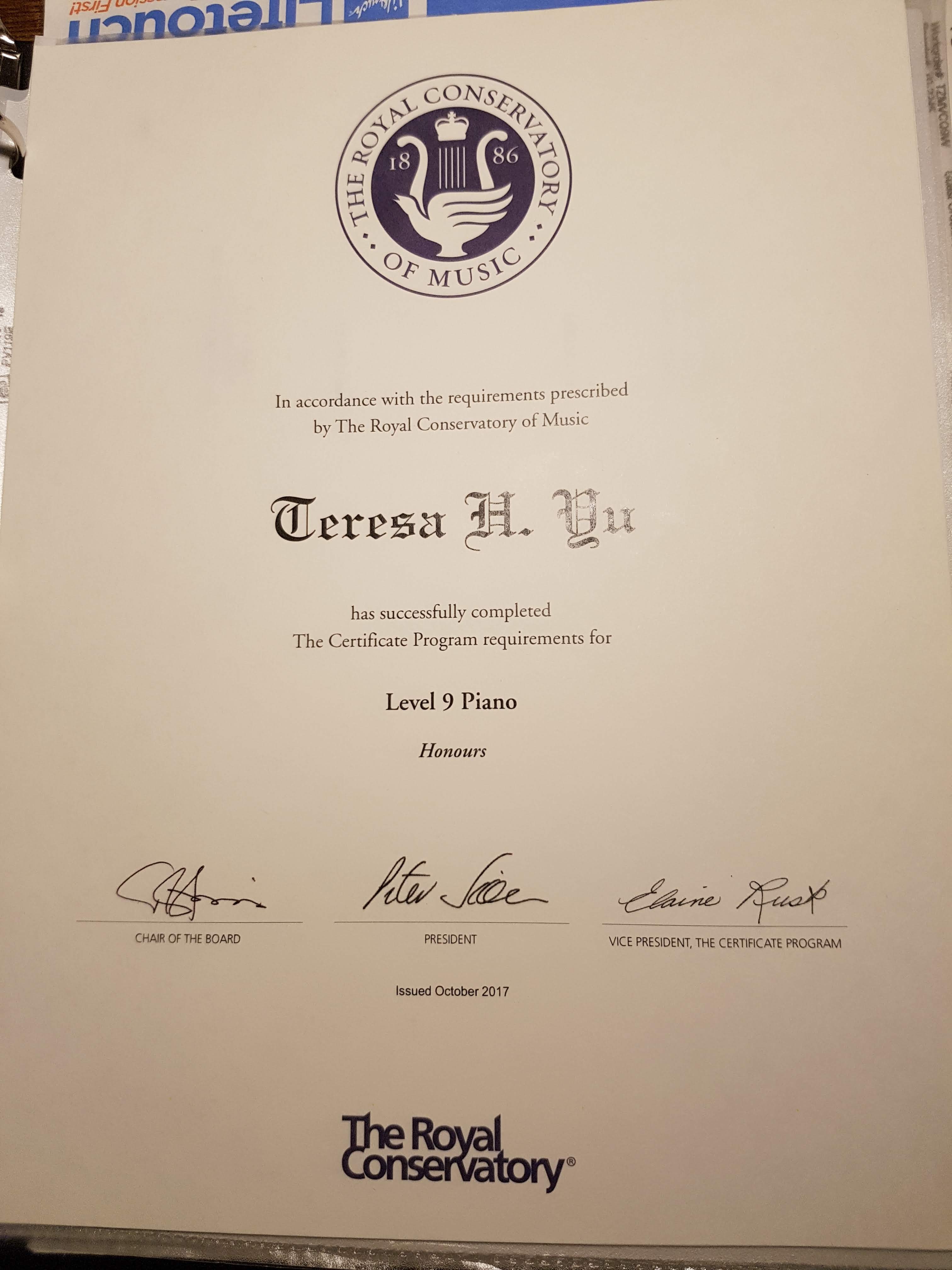
The RCM certificate program gives out certificates to students who have completed all the required exams for their level. For e.g, when I was in level 8, I had to do two exams. A practical and a written theory exam.
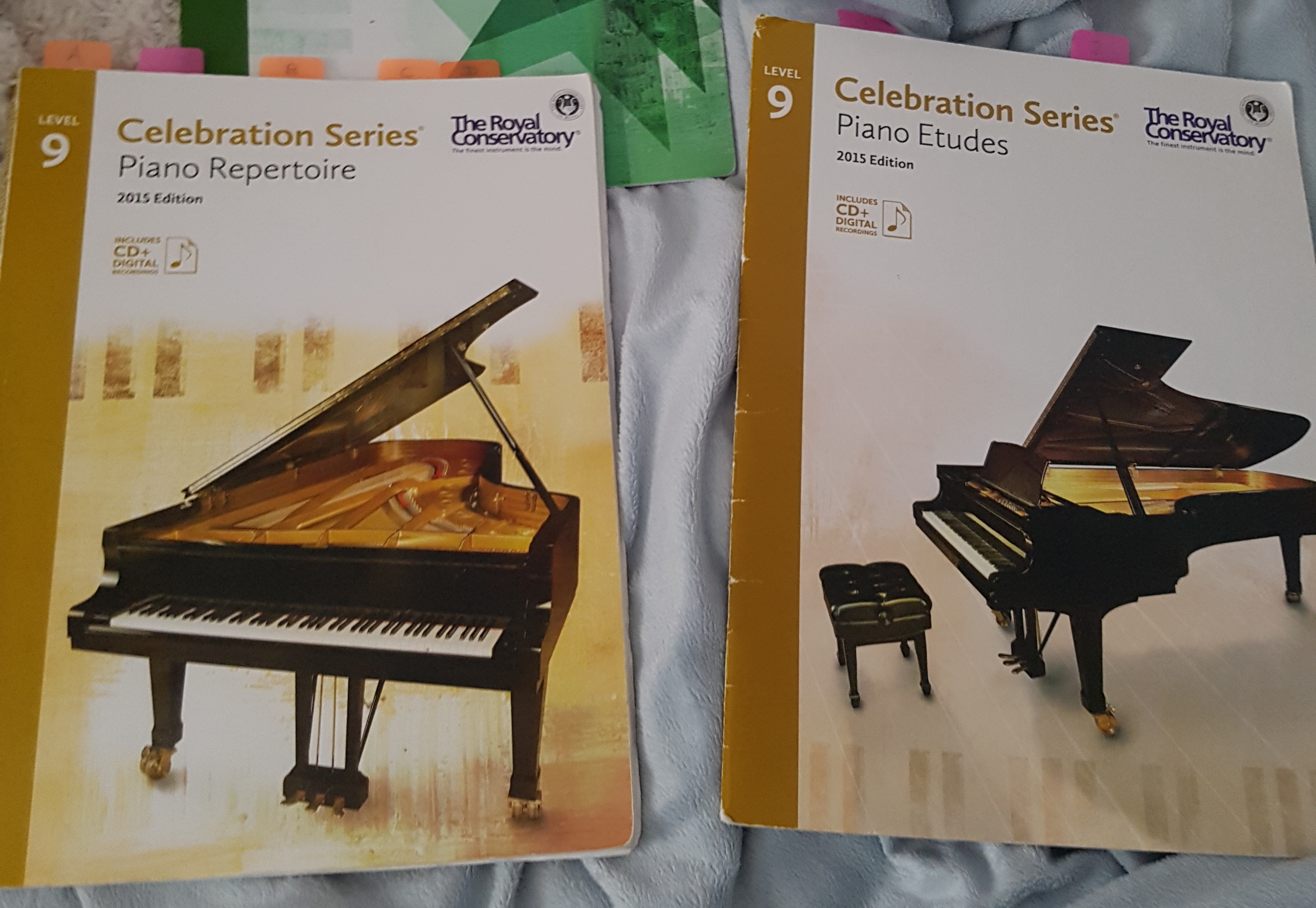
Each grade level comes with two music books, a repertoire book, and a studies/etudes book (songs designed to build some sort of technical ability). The repertoire book is divided into sections based on time period, and when you do an exam, you’re expected to play a piece from each time period, as well as a couple etudes.
Exams
Usually, when people hear the word “exam”, they freak out. Piano exams are signs of achievement and perseverance. Hard work turns into certificates and sometimes medals!
There are three main types of exams. Practical, theory/harmony, and history.
Practical
In a practical exam, you need to play a certain amount of songs, which is indicated in the curriculum/syllabus. You perform on your exam date in front of an examiner, who marks your playing, skills and technique.
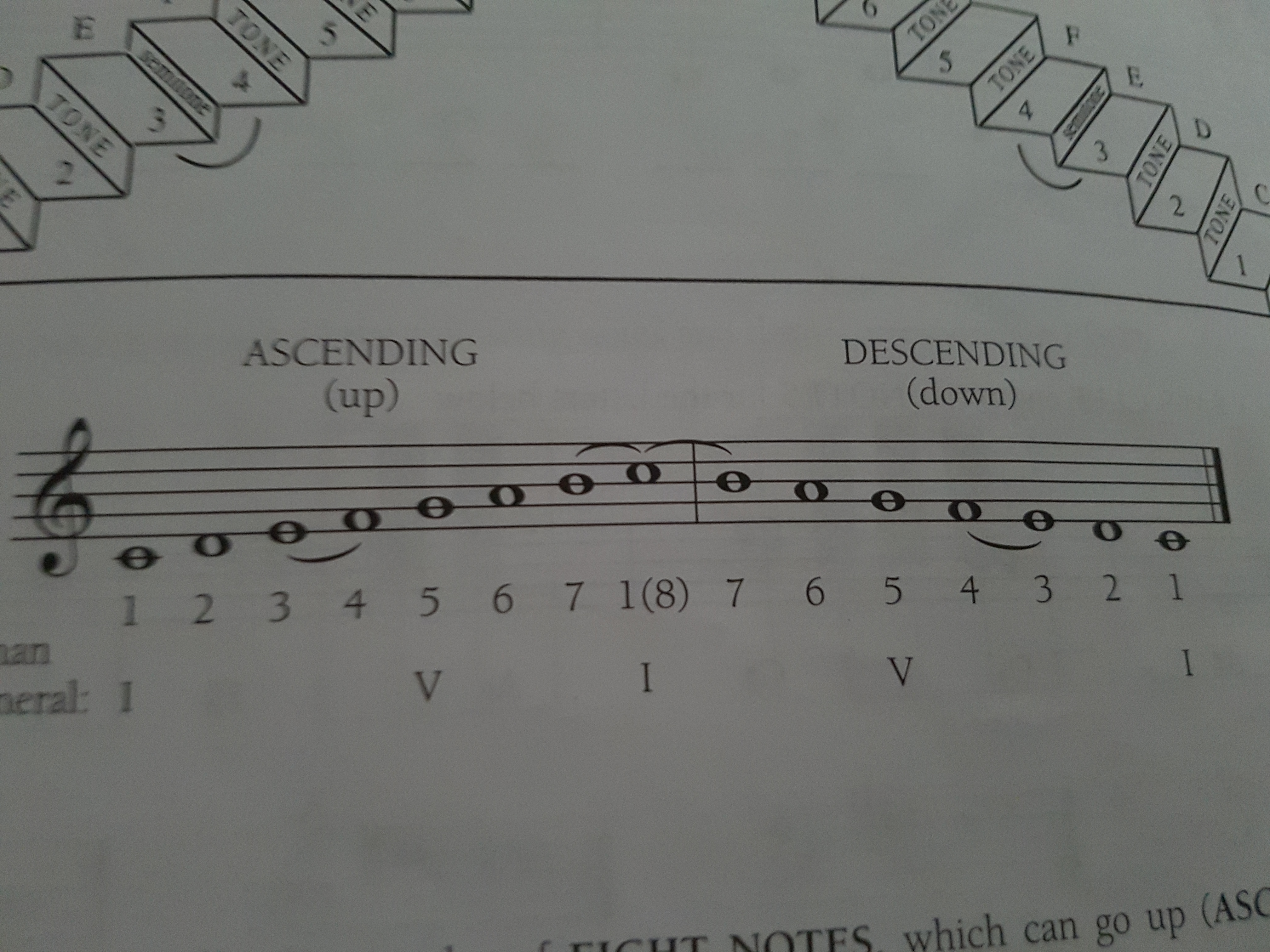
In addition, each level requires ear training and technique(scales). This is so the student is a well-rounded musician.
Ear training is identifying intervals and chords you hear by ear a few times and playing back a melody you hear.
For technique, you need to learn certain scales, arpeggios, and chords.
I know this seems like a lot but once you get your certificate, the feeling of pride and fulfillment will be something you would never forget!
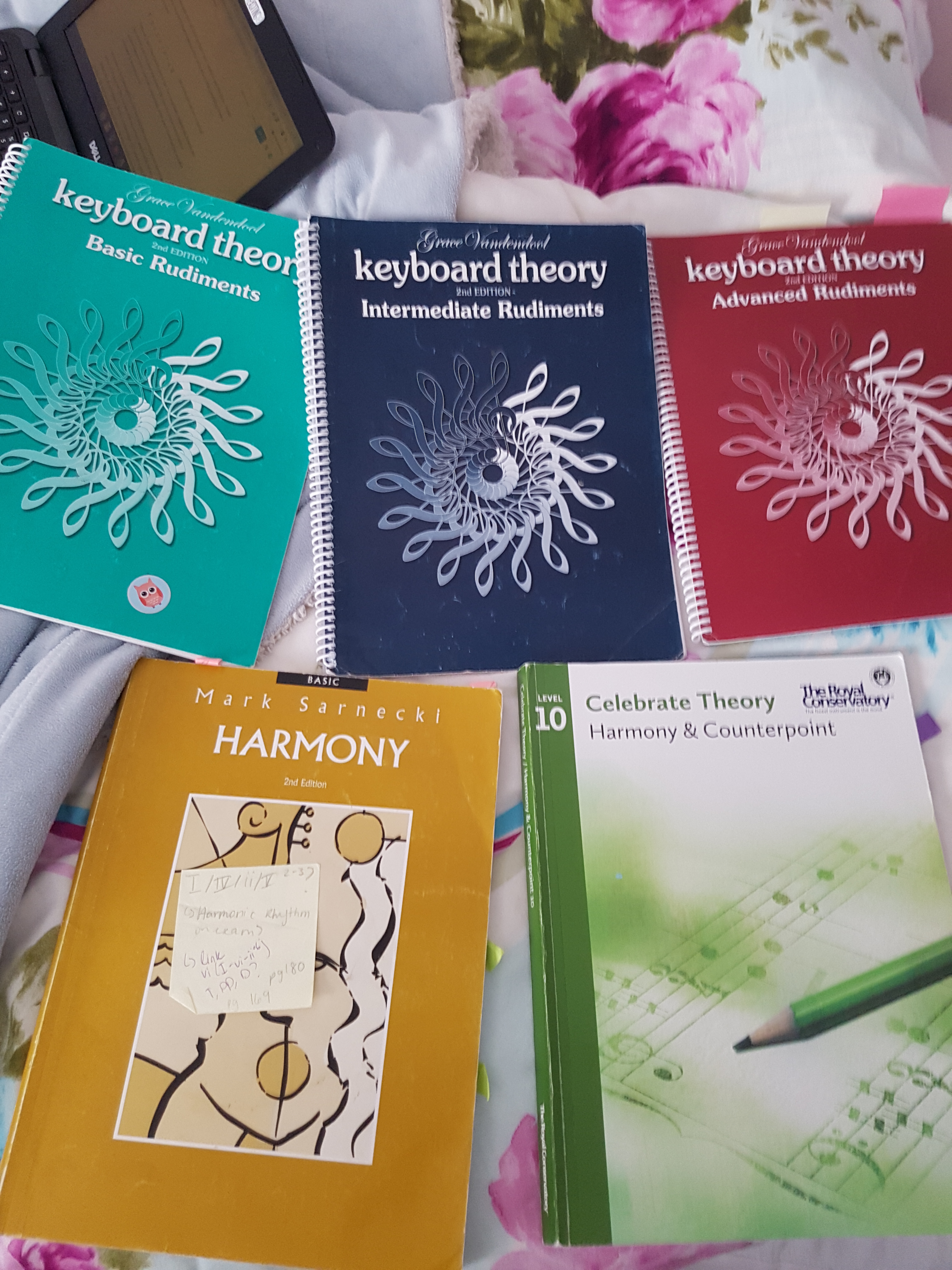
Theory/Harmony
As you go up the levels, higher levels such as level 5-ARCT require not only the practical exam but the theory or harmony exam.
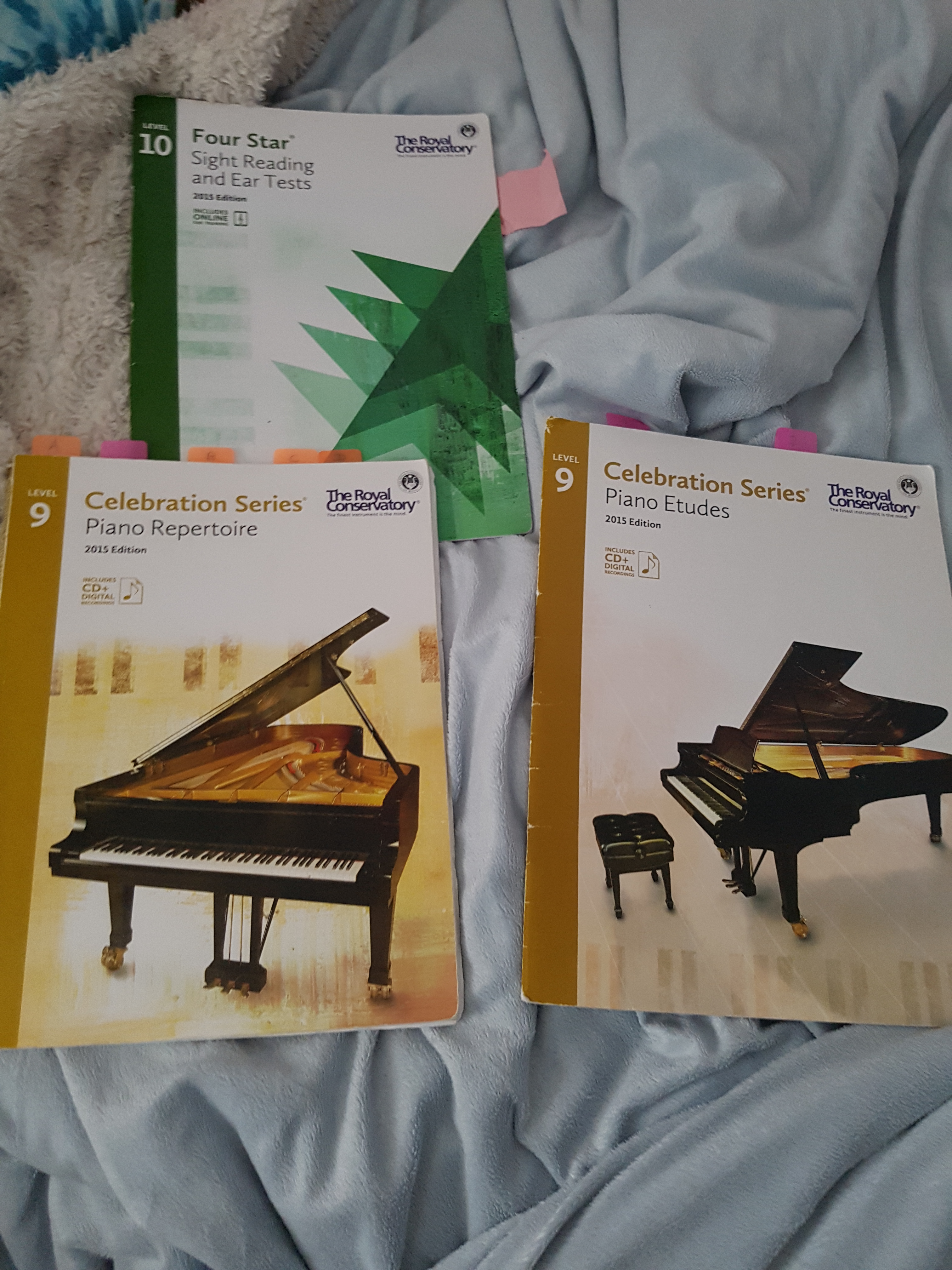
This exam tests your knowledge of music theory, which is scales, notes, keys, etc. It is mainly the rules of music.
I personally didn’t like theory exams, but once you get it done and over with, you get your certificates! Plus, learning theory has helped my playing tremendously.
History
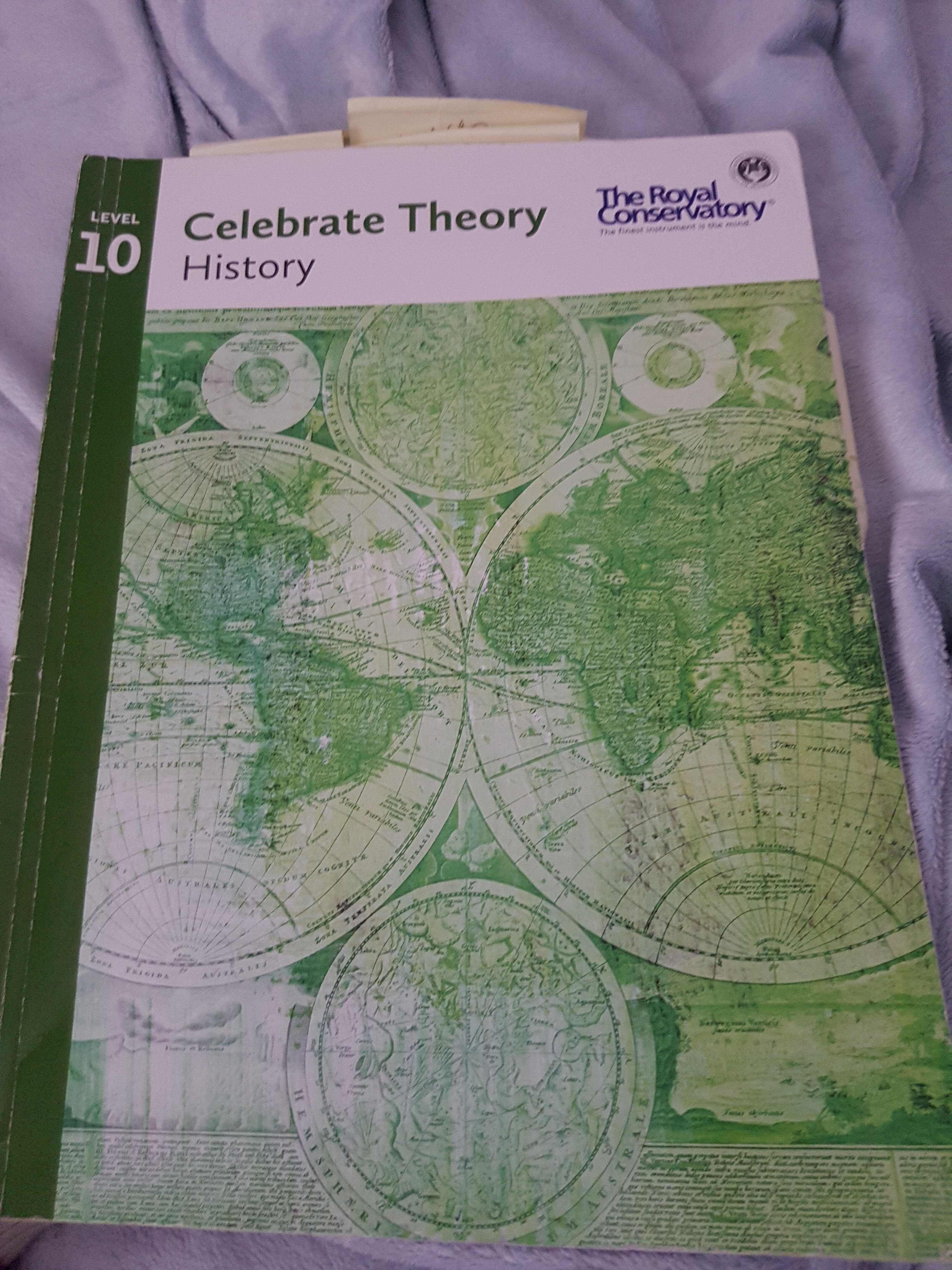
For levels 9-ARCT, the program requires students at those levels must take a history exam in order to receive their certificates.
For my history exams, they test knowledge of previous historical and monumental songs and composers. This gives students an insight into what composers did to make their songs so “great”.
I personally loved studying this because I am interested in history and how music came to be.
Benefits of Taking the Exams
- Earn extra credit in high school! – Earning extra credit in high school is definitely an advantage because if you completed levels 7 and 8, you can get extra credit! Therefore, instead of having 2 spares in your high school career, you can have 3 or 4!
- Be a well-rounded musician – exams require tests like ear training and technique, which makes students better musicians in general!
- Achievement – Completing an exam is something musicians look up to!
- Open doors – if you want to become a private music teacher, this program allows you to be certified! This will help you lure in students and it will make you trustworthy.
Things to do Before an Exam
For my first practical exam, I was freaking out. I learned that if you are anxious, you will do worse because of your nerves. I suggest doing the following:
- Do not drink or eat any caffeinated products. It will make you more anxious!
- Relax! Being anxious will cause you to do worse.
- Do not practice before an exam as it will also add to the stress.
- Get a good night’s sleep. Your brain needs rest!
I hope this blog has taught you many things about piano exams! I have had a good experience with exams and I definitely do not regret taking exams. Hopefully, you will participate in the RCM program too! But, remember to have fun with your music!

 My Experience with Music