I started learning how to play the flute last February in music class. I had a little bit of difficulty because it is a woodwind instrument, meaning you have to use your air to make a sound.
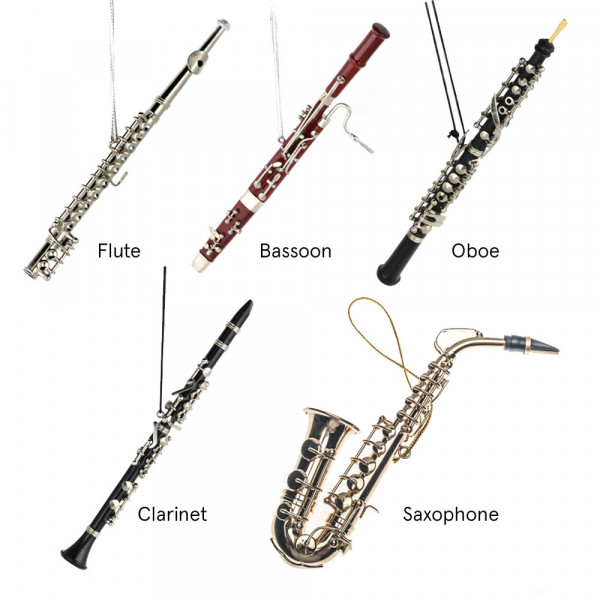
I was worn out after playing the flute because I was not used to the amount of air needed to play the flute. My head hurt and sometimes I couldn’t play a single note because I was blowing into the flute incorrectly.
I had the guidance of my music teacher when I was learning how to play my first note on the flute. I hope this blog will guide you and give you some useful tips!
Assembling the Flute
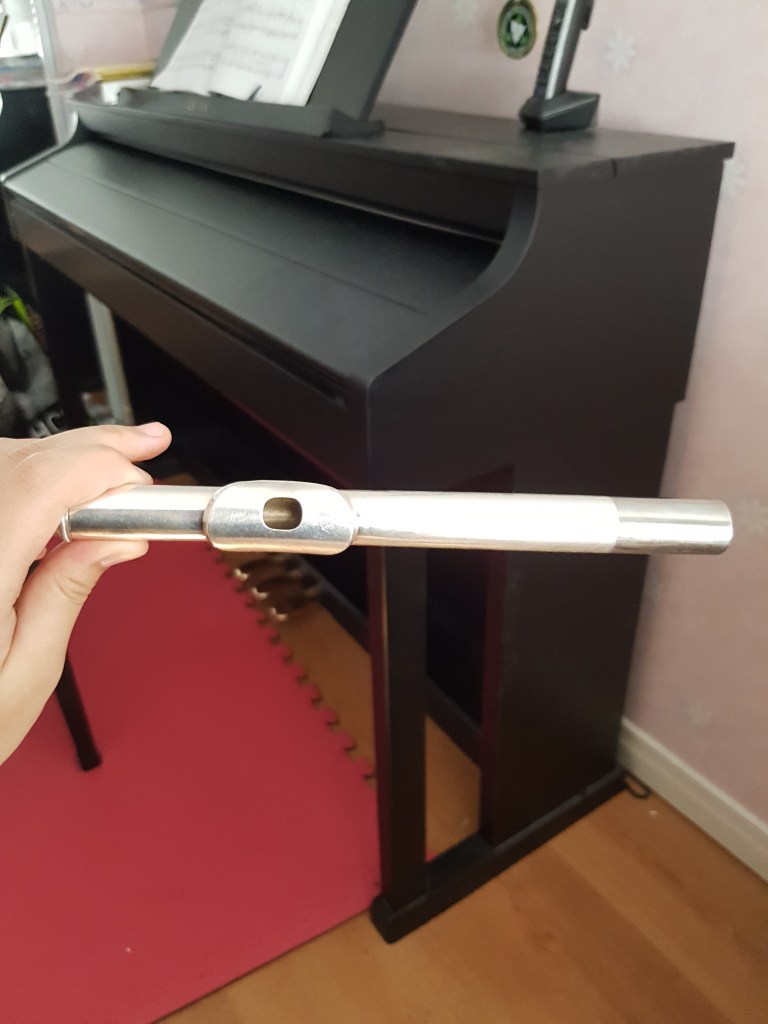
Before you blow into the flute, you need to know how to assemble the instrument. There is a head joint, which is the second smallest part of the instrument, with a hole. The hole is called the embouchure hole. This is the part you use to blow into.
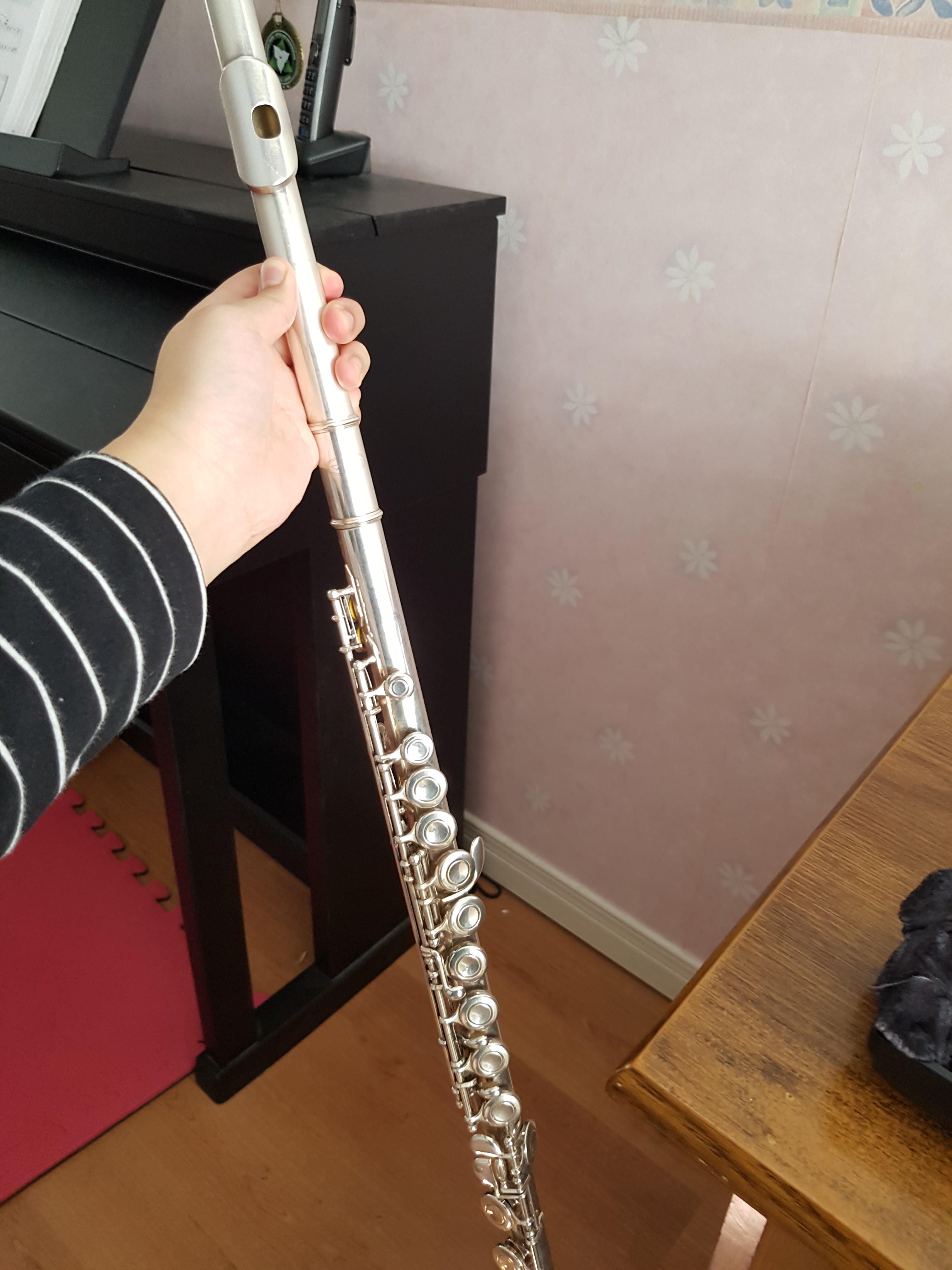
The longest piece is called the body. The body has many buttons and is the middle of the flute. When putting the body and the head joint together, the embouchure hole should be aligned with the buttons on the body.
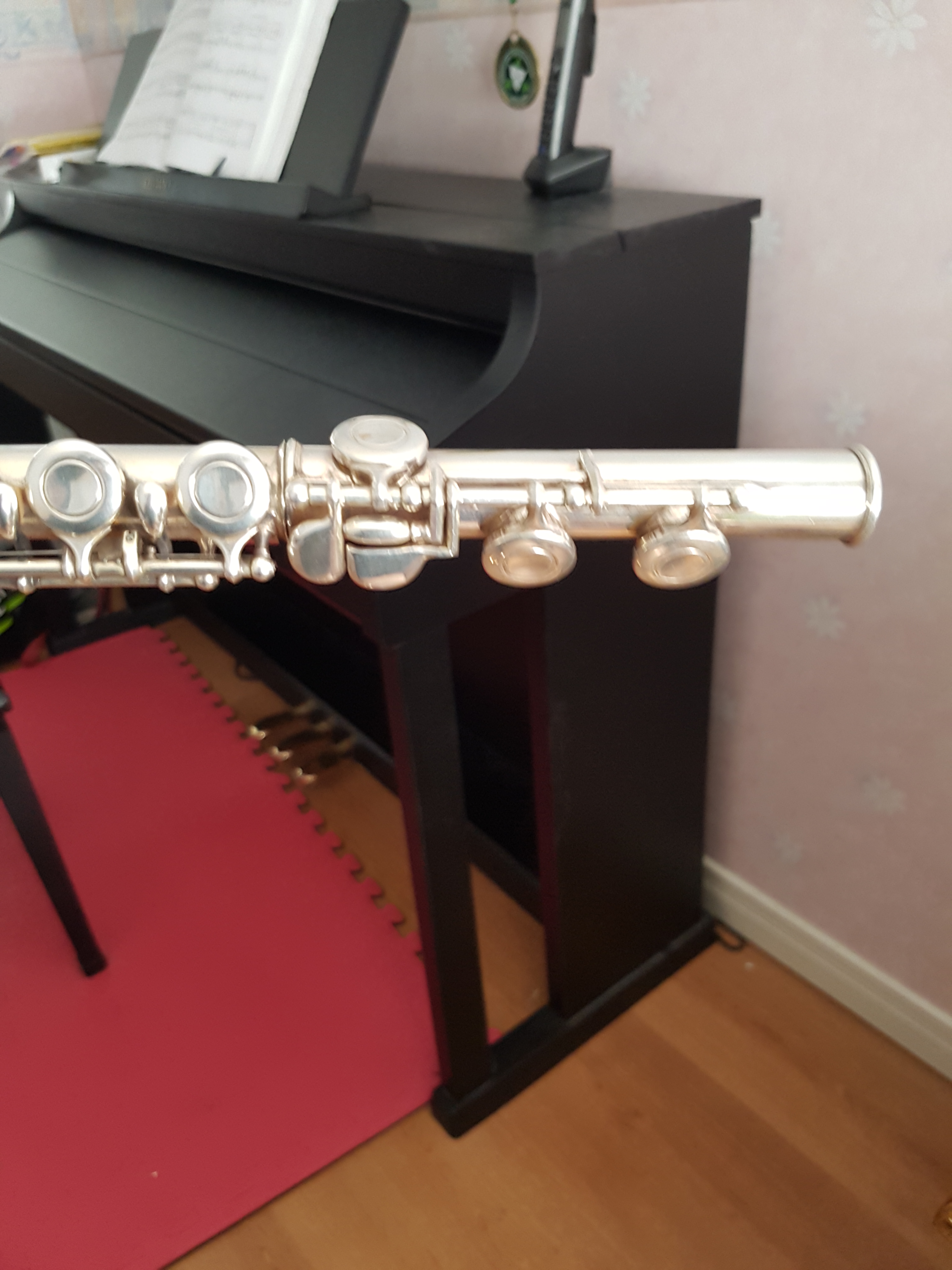
The last piece, the foot joint, is the shortest and smallest part of the flute. This part goes on the bottom of the flute, and has a thin rod connected to the joint. The “thin rod” should be aligned with the middle of the buttons on the body.
Now, you should have assembled your flute correctly. Now you use this procedure every time you use your instrument because when you are done playing the instrument, you disassemble the flute and put it back into the case.
Playing the Note
Take off the body and foot joint because it takes more air to play through the flute than just the head joint. You should be left with your head joint. Your mouth must blow and be shaped in a certain way to have the correct tone. It should sound full and not airy.
Raise the head joint to your lips from the direction of your chin. The embouchure hole should be facing upwards. The piece should be held horizontally.
Place your bottom lip on the lip plate. The closed side of the head joint should be facing left, while the open side (where you connect the body) should be facing right.
Cover the right side (open side) with your right hand. If you don’t, no matter what kind of mouth position you have, it will not have the correct tone. You will know because it will only sound like air.
The embouchure hole should be in the middle of your lip. The lip plate should rest gently in the place where your lip and chin meet. Your bottom lip should be covering part of the hole in the flute, but be sure it is not too much.
Then, close the ends of your lips so your mouth has a small oval shaped hole in the middle of your lips. Do not pucker your lips and do not make it taut. It should be relaxed, in a normal position with the ends closed.
Next, blow into the hole. I usually blow using a “too” or “poo” sound. Remember, it should not sound airy at all. Aim your air downwards and across the embouchure hole. This comes with practice; the more you play the flute, the easier it is to blow into it.
Experiment with your blowing/breath and mouth positions. Find your so-called “sweet spot” and make sure it sounds clear.
I hope you learned something about playing on the flute! The flute is not like the recorder and is a harder instrument than you think. You play sideways and the flute has buttons, not holes. Remember to practice and stop when you feel light-headed!

 My Experience with Music
The flute has always been an instrument that has been interested to me. How to play? How it sounds? But I had no experience playing at all. It was nice to know how much air to blow and how long. I loved how you actually taught the reader how to assemble the actually flute before learning a not. You described what it should sound like and you describe the steps of performing your first note
LikeLike
Before reading this article I never really thought of playing another instrument. The flute seems difficult to me because of all the different buttons and fingerings, but it really isn’t that hard. It just takes practice and dedication as any other creative process. Keep going!
LikeLike